How-To
Installing Glass Spigots: Core-Drill vs Base Plate
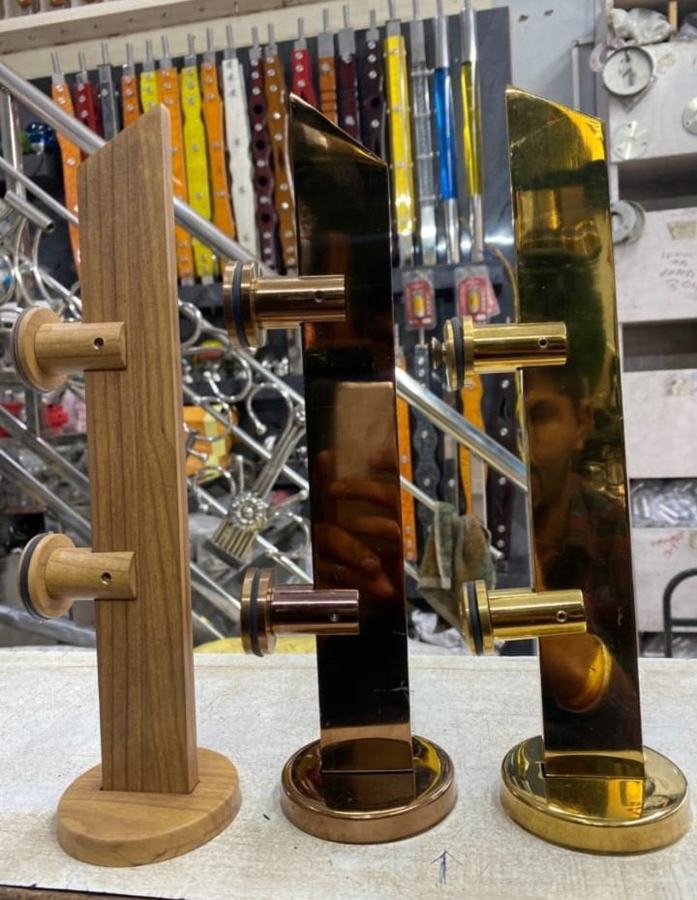
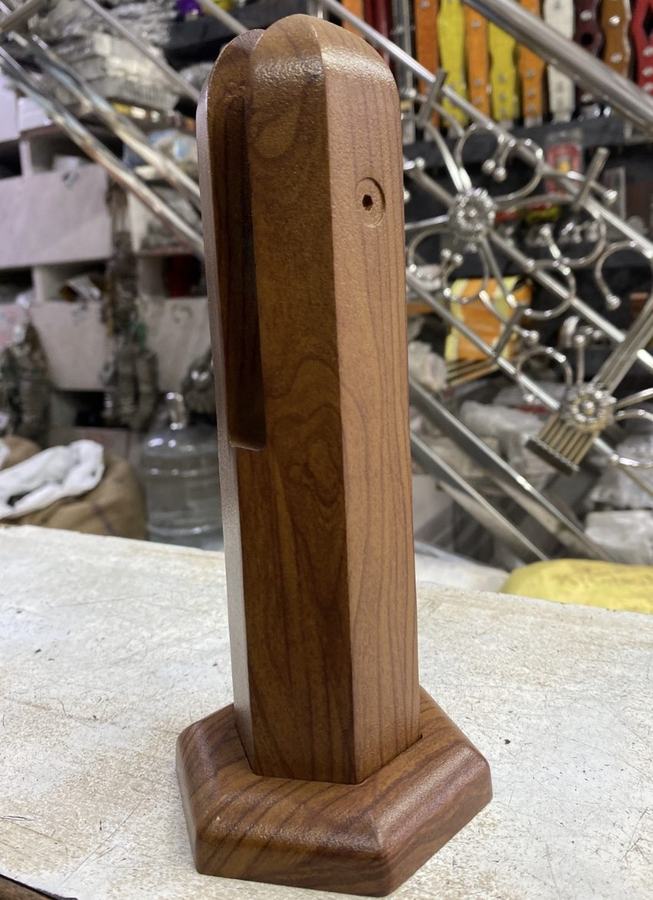
Spigots hold the entire load of a frameless glass railing, so how they are fixed matters as much as the spigot itself. Here are the two methods.
Core-drill (grouted) mounting
A hole is cored into the concrete slab, the spigot is set in and grouted with a high-strength non-shrink grout.
- Look: cleanest — no visible base plate or bolts
- Needs: sufficient slab depth and sound concrete
- Time: slower — coring, setting, grout curing
- Serviceability: difficult to remove or adjust later
Base-plate (surface / side) mounting
The spigot has a flange that bolts to the top or side of the structure with anchors.
- Look: base plate visible (often covered with a cover plate)
- Needs: sound surface and correct anchors
- Time: faster — drill, bolt, done
- Serviceability: can be removed or adjusted
Which should you choose?
- New construction with a thick slab, want the cleanest look → core-drill
- Retrofit, thin slab, tiled floor, or need speed → base plate
- Side-fixing to a slab edge to save floor space → side-mount base plate
Waterproofing — do not skip this
Any penetration into an outdoor slab is a potential leak path. Seal around cored holes and under base plates properly, especially above habitable space. This is the most common cause of callbacks on balcony railings.
General installation notes
- Set out and check all positions before drilling anything
- Check for rebar and services before coring
- Let grout cure fully before loading glass
- Always use the supplied gaskets — never metal directly against glass
- Tighten evenly; over-tightening cracks glass
- Keep protective film on until work around the railing is finished
Tell us your slab type and we will recommend the right spigot and fixing.
Need this for a project?
Get steel, glass hardware and PVD finishes cut to your exact spec — fast quotes from Bengaluru.
Get a Free Quote →