Glass Thickness for Railings: 10mm vs 12mm vs 15mm Explained
Glass thickness decides both the safety and the cost of your railing. Here is how to choose — and where you must not cut corners.
The common thicknesses
- 10mm toughened — light-duty interior use, low-level partitions, short spans
- 12mm toughened — the workhorse. Most balcony and staircase railings
- 13.52mm laminated (6+6) — safer for elevated balconies; holds together if broken
- 15mm+ toughened — long spans, high wind load, commercial and pool applications
Toughened vs laminated — the important bit
Toughened glass shatters into small blunt pieces — safer than normal glass, but the panel is gone. Laminated glass has an interlayer that holds fragments in place if it breaks.
For any elevated balcony or terrace where a fallen panel would create an opening people could fall through, use toughened-laminated. This is not the place to save money.
Match glass to your fittings
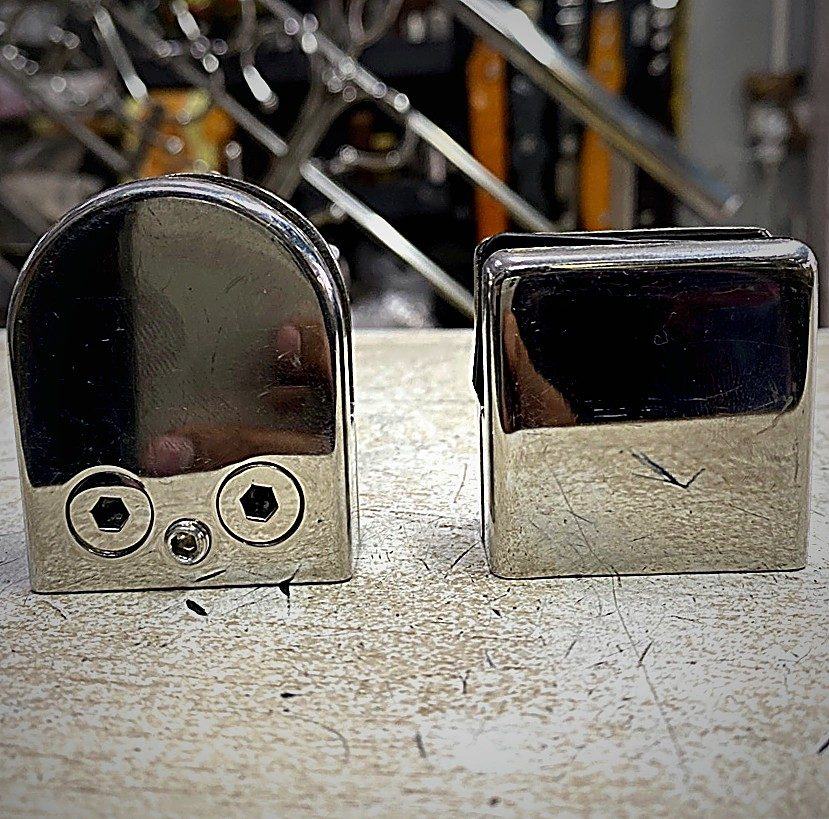
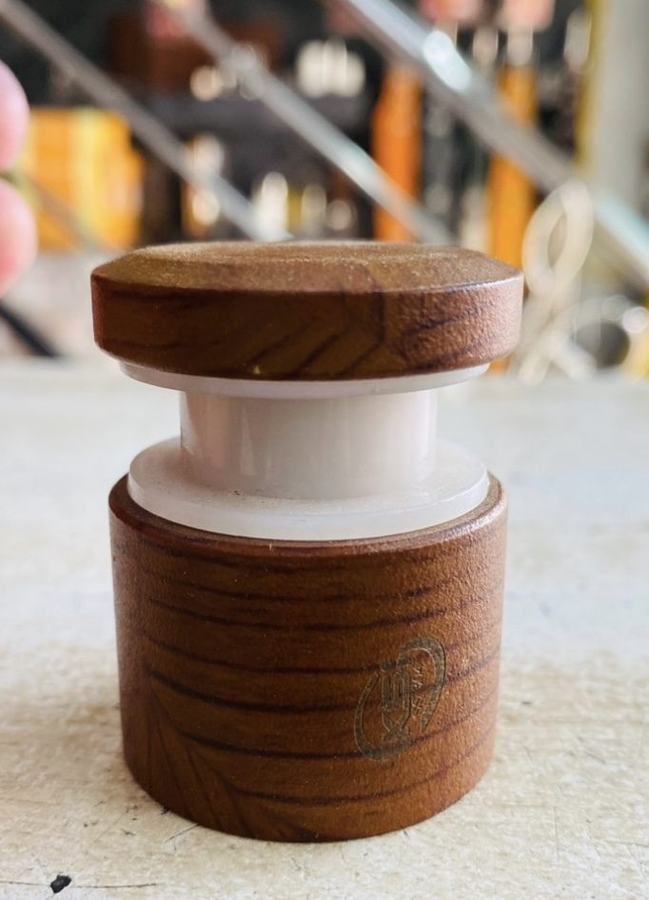
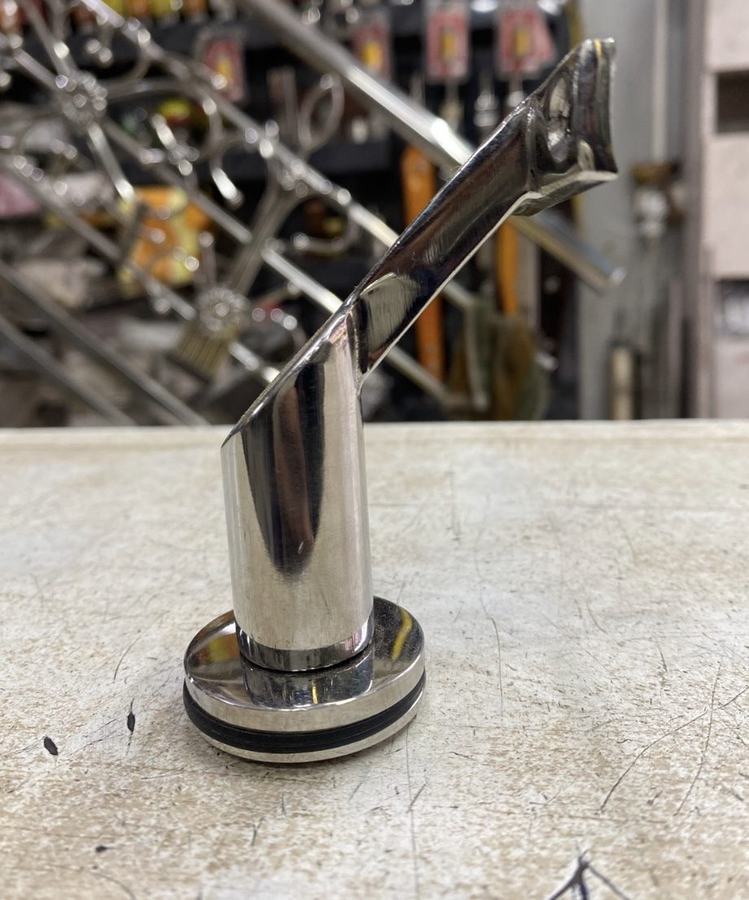
Every spigot and clamp is rated for a thickness range. Ordering 12mm glass for a spigot designed around 15mm (or vice versa) means loose or unfittable panels. Confirm the range before you order either.
Span and height matter too
Taller panels and wider spacing between spigots both increase load. As either grows, thickness must increase. Your fabricator should confirm spigot spacing for your panel size — typically several hundred millimetres apart.
Quick recommendation
- Interior partition or low divider → 10mm toughened
- Standard staircase / balcony railing → 12mm toughened
- Elevated balcony or terrace → 13.52mm toughened-laminated
- Pool fencing or high wind exposure → 15mm, fittings in SS 316
Tell us your panel size and location — we will match spigots and hardware to your glass. See the spigot guide.
Need this for a project?
Get steel, glass hardware and PVD finishes cut to your exact spec — fast quotes from Bengaluru.
Get a Free Quote →