Glass Clamps vs Spigots vs Standoffs: Which Fitting Should You Use?
Clamps, spigots and standoffs all hold glass — but they are not interchangeable. Picking wrong means either a weak railing or spending more than you needed to.
Glass spigots
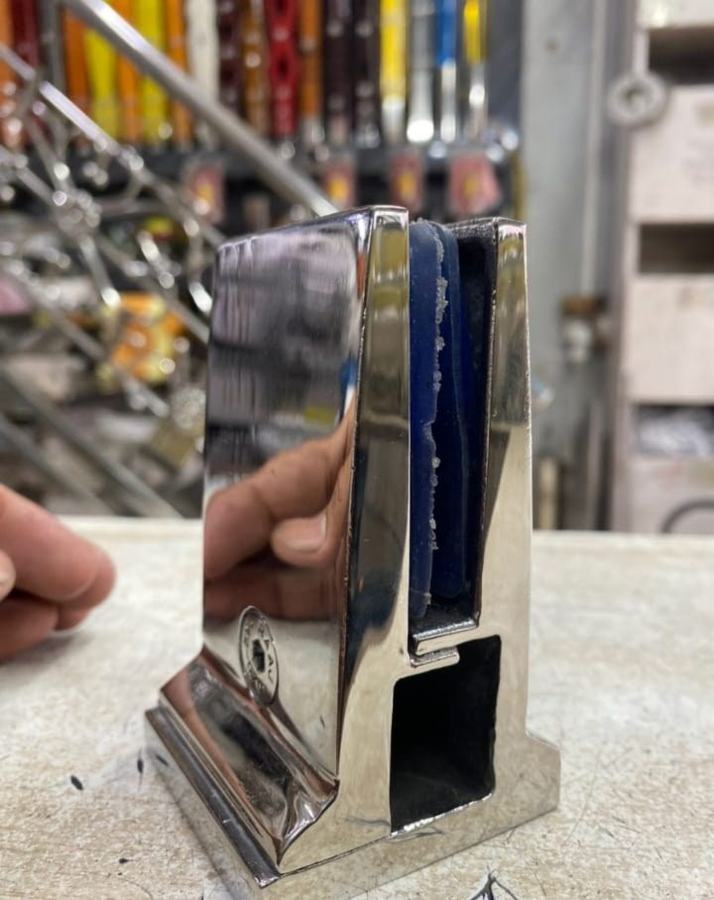
Small load-bearing posts set into the floor that grip the base of the glass. No top rail needed.
- Look: the cleanest, most minimal frameless look
- Strength: highest — designed to carry the full panel load
- Fixing: core-drill into slab, or bolted base plate
- Best for: balconies, terraces, pool fencing, frameless staircases
Glass clamps
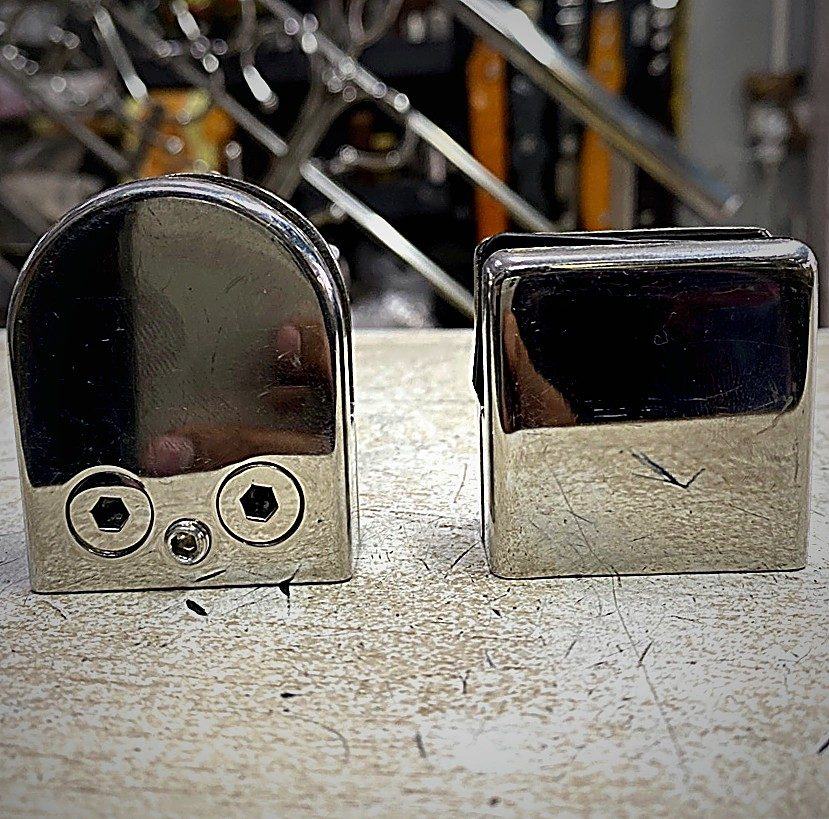
Compact clamps that hold glass against a post, wall or frame. Used in pairs along each panel.
- Look: visible hardware, more traditional
- Strength: good, but relies on the post or wall behind it
- Fixing: bolted to a post or flat surface
- Best for: post-and-glass railings, budget-friendly balconies, retrofits
Standoff / point fittings
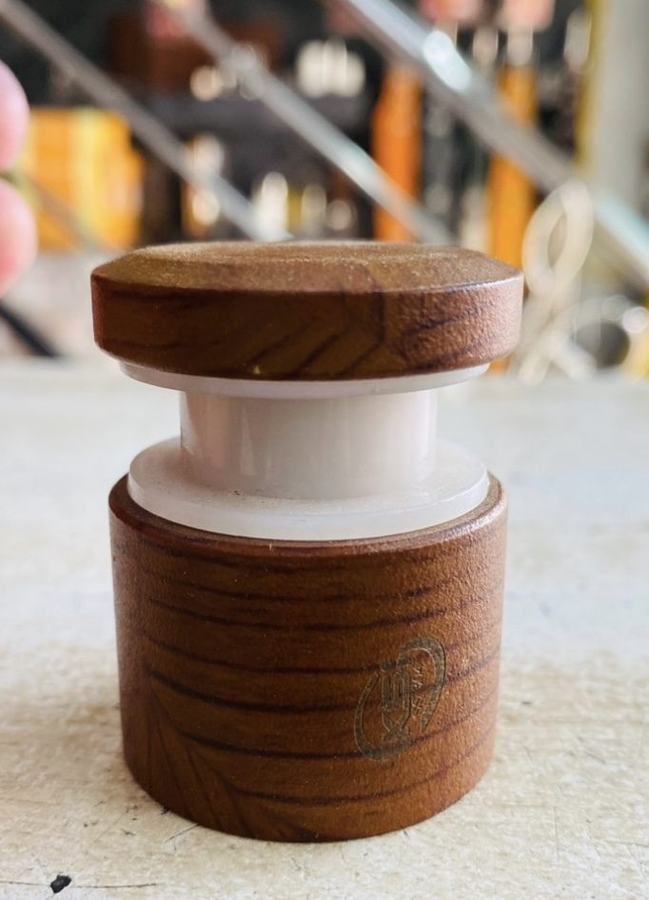
Cylindrical fittings that hold glass a set distance away from a wall or structure, usually through a drilled hole in the glass.
- Look: sleek, floating effect
- Strength: good for face-fixed panels; needs drilled toughened glass
- Fixing: bolted into wall/fascia; glass must be pre-drilled
- Best for: face-mounted balcony glass, signage, canopy panels, wall-mounted glass
Quick decision guide
- Want the most minimal look with no posts? → Spigots
- Working to a tighter budget, posts acceptable? → Clamps
- Fixing glass to a wall or fascia face? → Standoffs
One rule for all three
Use toughened (and preferably laminated) glass on anything elevated, keep every fitting in the same grade and finish, and step to SS 316 near pools or the coast. Full spigot buyer's guide.
Need this for a project?
Get steel, glass hardware and PVD finishes cut to your exact spec — fast quotes from Bengaluru.
Get a Free Quote →