Design Ideas
Staircase Railing: Glass vs Steel vs Combination
Staircase railings get touched every day, so comfort and safety matter as much as looks. Here is how the main options compare.
Frameless glass staircase railing
- Pros: keeps stairwells bright and open; visually enlarges narrow homes
- Cons: highest cost; fingerprints show; needs a well-planned handrail
- Note: stair-mounted spigots must be set precisely to follow the rake — measure carefully
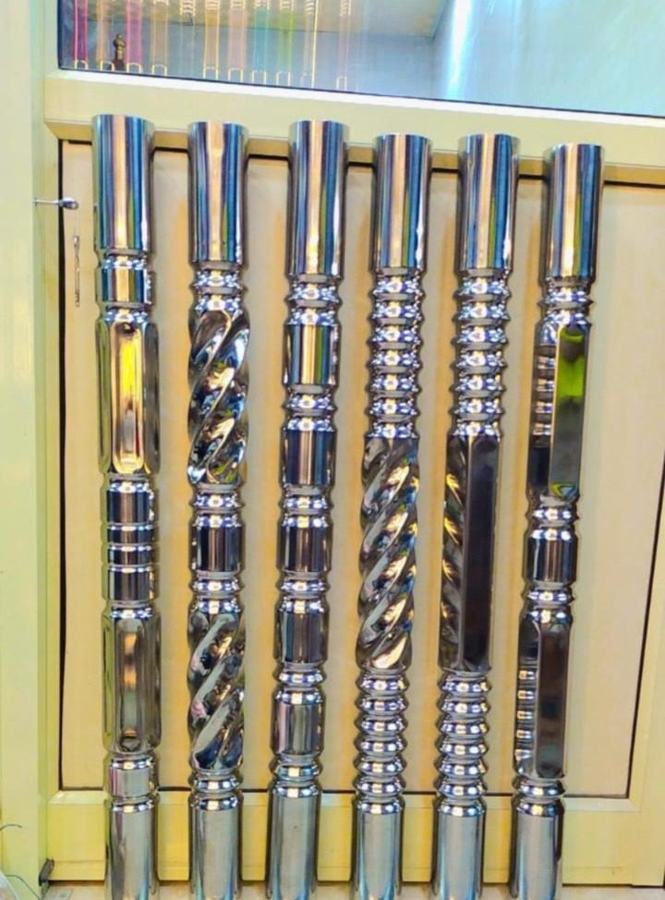
Stainless steel balusters
- Pros: durable, lower cost, easy to clean, very forgiving to install
- Cons: more visual obstruction than glass
- Note: vertical bars are safer than horizontal for homes with children
Combination: glass with steel handrail
For most homes this is the sweet spot — glass keeps the stairwell open, while a 50.8mm (2") stainless handrail gives a comfortable, graspable rail.
Handrail comfort matters
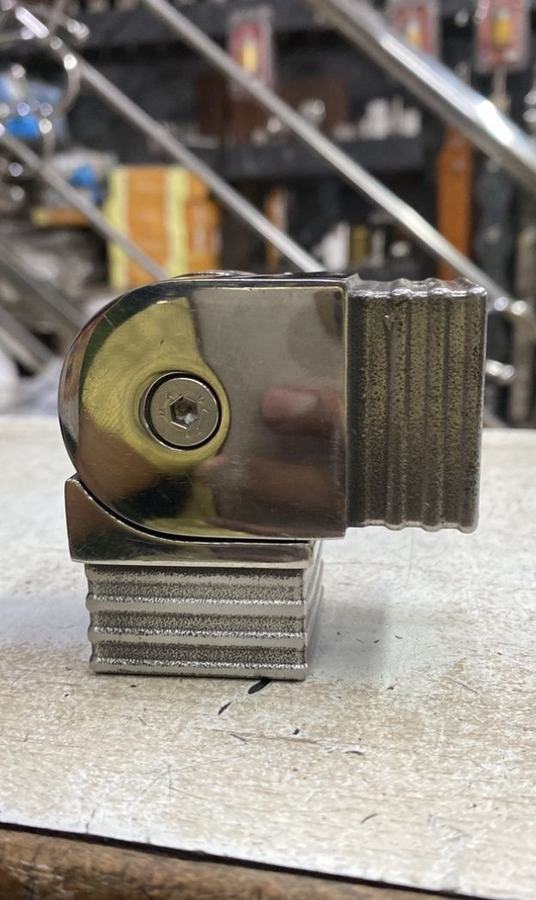
A 2" round tube is the most comfortable to grip for most people. Square handrails look sharp but are less pleasant to slide a hand along. On stairs, use adjustable saddles and brackets so the rail follows the angle cleanly.
Safety essentials
- Use toughened (ideally laminated) glass
- Keep gaps small enough that a small child cannot pass through
- Ensure the handrail is continuous and easy to grasp along the flight
- Use gaskets in every clamp — never metal directly on glass
Finish suggestions
Satin stainless is the practical everyday choice. Black PVD looks striking against light stairs; gold suits classical interiors. Compare finishes.
Need this for a project?
Get steel, glass hardware and PVD finishes cut to your exact spec — fast quotes from Bengaluru.
Get a Free Quote →